

Buying a reclining wheelchair should feel simple. But when prices vary a lot, it’s easy to overpay—or worse, buy the wrong chair and pay again later. If you’re ordering for a clinic, care home, or medical supply business, you want a chair that’s comfortable, safe, and built to last, without hidden add-ons. Let’s learn how to compare specs the right way, spot “cheap but costly” listings, and make a smart purchase that fits real user needs. I’ll also use the ProBasics reclining wheelchair sold by Monroe Medical Supplies as a clear reference point, so you can see what good value looks like.
Understand What You’re Paying For
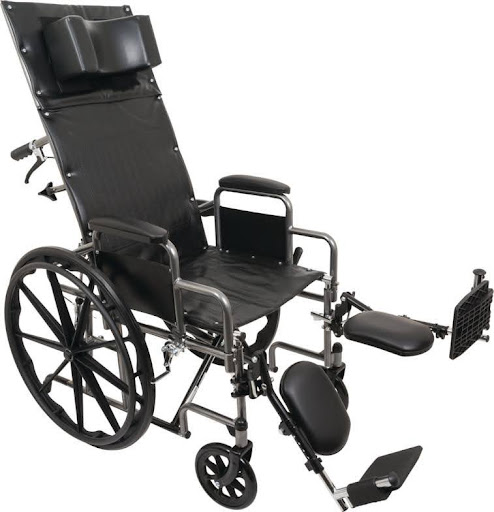
A standard reclining wheelchair is designed for users who need to rest or change posture during the day. Unlike a basic chair, the backrest reclines, which can make long sitting hours easier and help caregivers with positioning. For example, the ProBasics model on Monroe Medical Supplies reclines from 90° to 160° and includes a headrest for extra support. Those details matter because reclining changes weight distribution—so stability features become part of what you’re paying for (and what keeps users safe).
Compare Specifications That Affect Price
When you’re trying not to overpay, don’t start with the price tag. Start with the specs that change the price the most.
Seat Width And Weight Capacity
Choose the right width and capacity for the user. If the chair is too narrow, it’s uncomfortable. If the chair has more capacity than needed, you may be paying extra for no benefit. This is where wholesale buyers often save money: buying the correct size upfront avoids returns, replacements, and complaints later.
Recline Range And Back Support
If your buyer needs more support, a reclining high back wheelchair is usually a better fit than a lower-back recliner. High-back designs support the upper body more fully, especially during longer use or when reclining for rest.
Leg Rest Features
Elevating leg rests are not just a “nice add-on.” They’re useful for swelling, circulation needs, and comfort. But if the user doesn’t need them, choosing a simpler setup can reduce cost.
What Is The Difference Between A Tilt Wheelchair And A Reclining Wheelchair?
These two options look similar, but they work differently—and choosing the wrong one can raise your costs.
- A reclining high back wheelchair changes the angle of the backrest. The user’s upper body moves as the back leans down.
- A tilt-in-space wheelchair tilts the entire seat and back together, keeping the user in the same seated shape while shifting pressure.
If the goal is rest and repositioning, a reclining chair is often the more cost-effective choice. If the goal is pressure relief and reducing sliding, tilt-in-space may be worth the higher price. Buying the right style the first time prevents expensive returns and upgrades later.
Watch For Hidden Costs Before You Buy Wholesale
This is where most people overpay—without noticing.
Shipping And Handling
Reclining wheelchairs are heavier than basic chairs. Always check the product weight and shipping weight because freight costs can erase any discount.
“Included” vs “Add-On” Features
To avoid surprise charges, confirm whether the listing includes:
- Desk-length or removable armrests
- Headrest and head support
- Elevating leg rests
- Anti-tippers and stability features
- Warranty coverage
A clean product page from a trusted supplier makes this easier. Monroe Medical Supplies, for example, clearly lists specifications and included components on the product page, which helps buyers compare confidently.
A Smart Buyer’s Example: ProBasics As A Value Benchmark
When you compare listings, it helps to use one reliable product as your “value baseline.” The ProBasics reclining wheelchair is a good reference because it combines key comfort features with practical components buyers often need (like head support and reclining range). If another seller offers a much lower price for a similar chair, compare what’s missing. That’s usually where the “savings” disappear.
Final Thoughts
The best way to save money isn’t hunting for the lowest sticker price—it’s buying the right wheelchair with the right features the first time. Use specs as your guide, confirm what’s included, and calculate the real total cost. When you do that, buying a standard reclining wheelchair (or selecting a wholesale recline standard wheelchair in bulk) becomes straightforward—and much more cost-efficient.
FAQs
1. Who Should Buy A Standard Reclining Wheelchair Instead Of A Basic Wheelchair?
A standard reclining wheelchair is ideal for users who need to rest, change posture, or recline during long sitting periods. It’s commonly used in hospitals, long-term care facilities, rehabilitation centers, and home-care settings. If the user requires added comfort, positioning support, or caregiver-assisted adjustments, a reclining model is usually a better choice than a basic wheelchair.
2. Is A Reclining High Back Wheelchair Good For Long-Term Use?
Yes. A reclining high back wheelchair is well-suited for long-term or extended daily use because it provides added upper-body and head support. High-back designs help improve comfort when the chair is reclined and can reduce fatigue for users who spend many hours seated. This makes them a popular option for medical facilities and home-care providers.
3. Why Do Medical Facilities Buy Reclining Wheelchairs At Wholesale?
Medical facilities and care providers often purchase a wholesale recline standard wheelchair to control costs while maintaining consistent equipment quality. Buying wholesale allows clinics, nursing homes, and DME suppliers to stock reliable models—such as a ProBasics reclining wheelchair—at predictable pricing, making it easier to replace or standardize equipment across multiple users.